Are you looking around your West Barnstable home and wondering if it still fits the life you want now? Downsizing can feel emotional, practical, and time-sensitive all at once, especially when you are leaving a home with years of memories behind. The good news is that with the right plan, you can simplify your next move, protect your equity, and make smart choices before you list. Let’s dive in.
Why downsizing looks different in West Barnstable
West Barnstable is not a one-size-fits-all market. Barnstable’s housing profile shows that the local housing stock is still dominated by single-family homes, and the West Barnstable village plan describes the area as historically rural, with larger lots and a more spacious pattern of development.
That matters if you are planning to downsize. In many parts of the country, downsizing may mean moving into a newer, smaller home in a dense neighborhood. In West Barnstable, smaller or newer replacement options can be less common, so your sale and your next purchase need to be planned together.
Barnstable also has an older homeowner base, with about 27% of residents age 65 or older. That makes downsizing a very real part of the local market, but it does not make it simple. You may be competing for a limited number of right-sized homes while also trying to position your current property well.
Start with your downsizing goal
Before you think about paint colors or photos, get clear on what downsizing means for you. Some sellers want less maintenance, some want one-level living, and others want to free up equity or move closer to family, work, or daily activities.
Your goal shapes every next step. If you want a faster, simpler move, you may choose to do only high-impact updates and price strategically. If you want to maximize value and you have flexibility on timing, you may decide to invest a bit more in presentation before listing.
A few useful questions to ask yourself are:
- Do you want a smaller home, a different layout, or both?
- Do you need fewer stairs or less yard work?
- Are you planning to stay in Barnstable or move elsewhere on Cape Cod?
- Do you need sale proceeds from your current home before buying your next one?
- How much work are you willing to do before listing?
Price your home from the property, not the headline
West Barnstable pricing can look different depending on where you check. Current data points show a higher-priced, lower-volume submarket, with Zillow estimating a typical home value of $841,378 in West Barnstable, Redfin reporting a median sold price near $999,664 over the last three months, and Realtor.com showing a median listing price around $1 million.
Those numbers are helpful for context, but they are not a pricing strategy. They measure different things, and in a low-volume market, a small number of sales can skew the picture quickly.
That is why downsizing sellers benefit from a property-specific comparative market analysis. Your lot size, condition, layout, septic status, updates, and price bracket can all affect demand in a way that broad town or county averages cannot fully capture.
Understand where buyer demand is strongest
If your goal is to sell efficiently, buyer demand trends matter. Barnstable County’s Q1 2026 market report showed that single-family homes priced under $999,999 had a median 34.4 days on market, while homes priced at $1 million and above averaged 77 days.
That does not mean every West Barnstable home should be priced below $1 million. It does mean that pricing and positioning deserve extra attention if your property falls near a major threshold. A small pricing misstep can affect showing activity and time on market.
The same report also found strong demand for smaller single-family homes. Homes between 1,000 and 1,499 square feet had a median sale price of $570,000, and homes between 1,500 and 1,999 square feet reached $715,000.
For downsizing sellers, the takeaway is simple: buyers are not only paying for size. They are responding to homes that feel manageable, well-presented, and aligned with today’s needs.
Focus on the features buyers are already searching for
Current West Barnstable search activity gives a useful snapshot of what buyers are browsing. Realtor.com search filters highlight single-family homes, 2-, 3-, and 4-bedroom homes, single-story homes, large-lot homes, basements, updated kitchens, central air, and waterfront or ocean-view properties.
You cannot change your lot or your setting, but you can shape how your home is presented. If your property has one-level living potential, strong storage, an updated kitchen, central air, or a flexible bedroom count, those details should be easy for buyers to see right away.
This is especially important for downsizing sellers. Buyers may not be looking for the biggest house in West Barnstable. They may be looking for the house that feels easiest to live in.
Make pre-listing updates strategically
Many sellers assume downsizing means fixing everything before listing. In reality, selective updates often make more sense than a large remodel, especially if you are also preparing for your next move.
The 2025 Remodeling Impact Report found that the top projects agents recommend before listing include painting the entire home, painting one room, and new roofing. The report also notes increased demand for kitchen upgrades and bathroom renovations, while a new steel front door had the highest reported cost recovery.
That does not mean you need to renovate top to bottom. It means buyers are paying attention to condition, and your home should feel cared for from the moment they arrive.
A smart pre-listing checklist may include:
- Fresh interior paint in key spaces
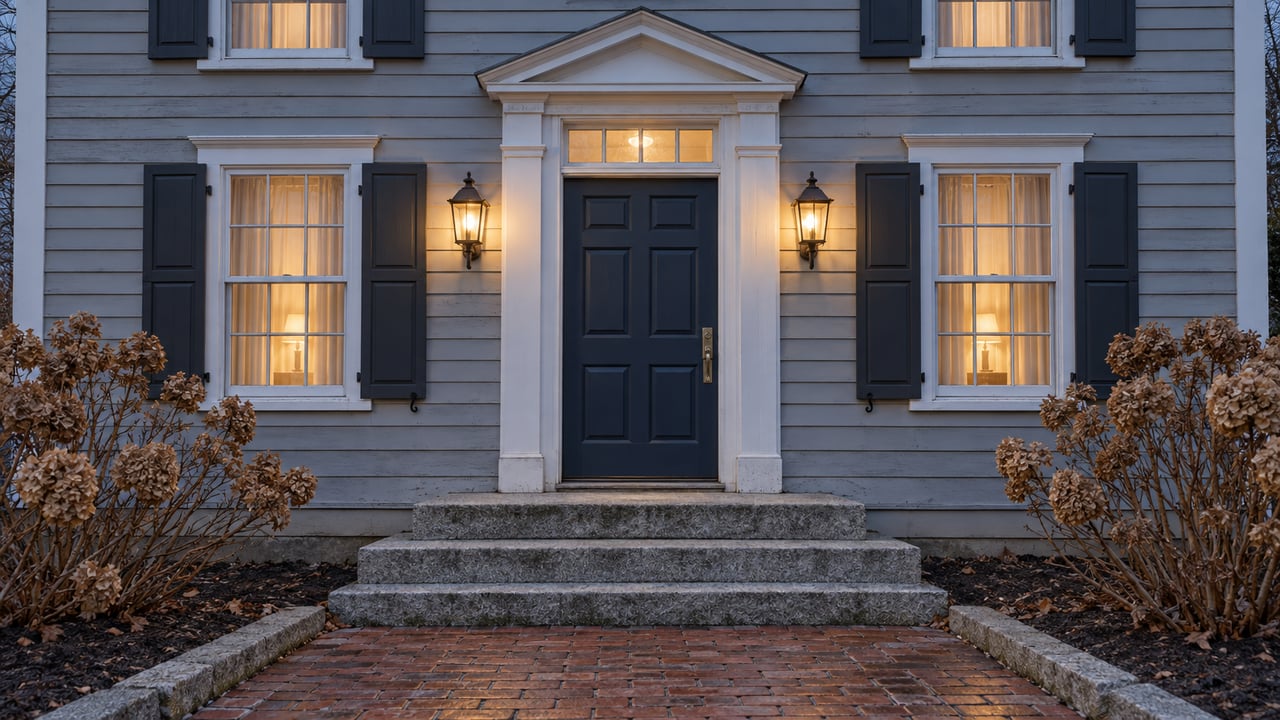
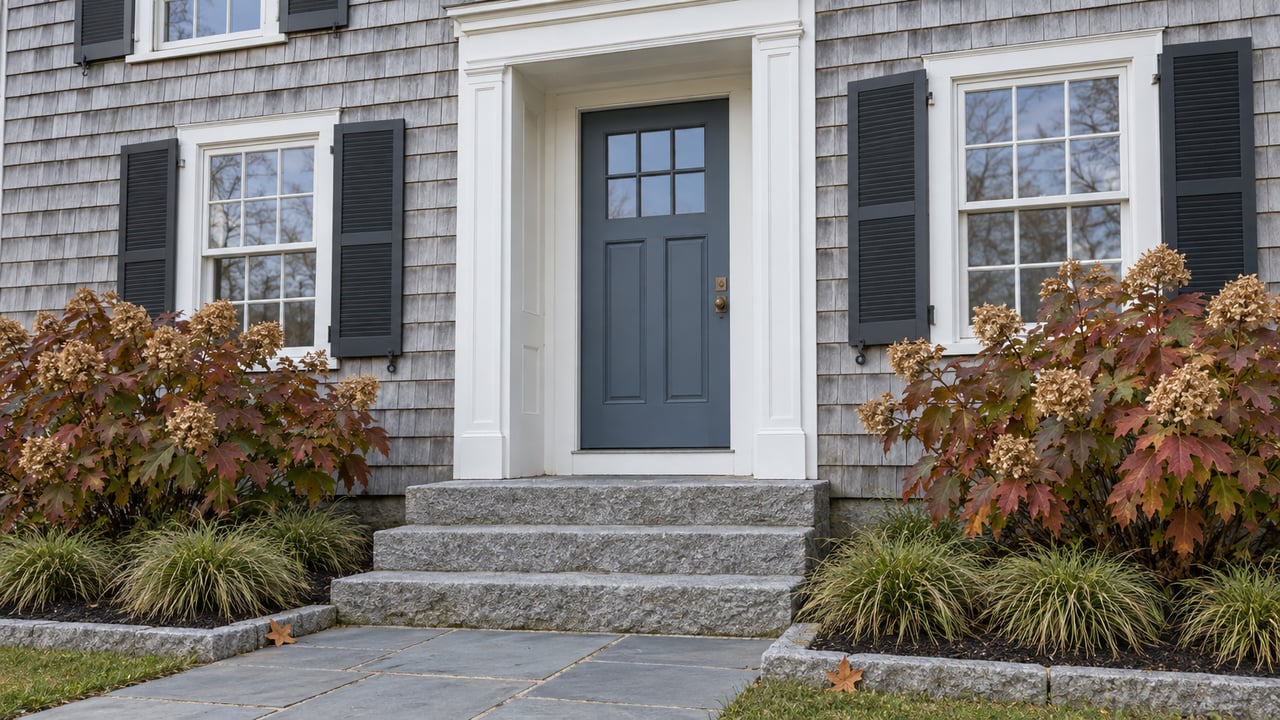
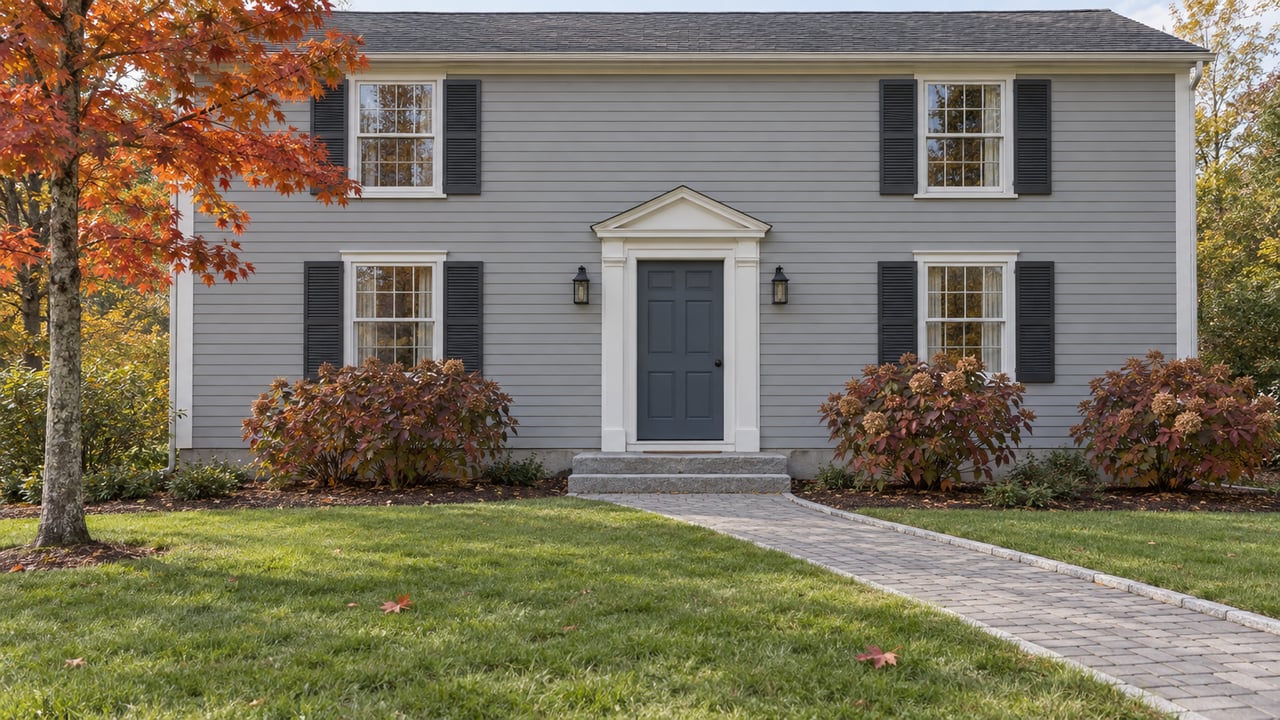
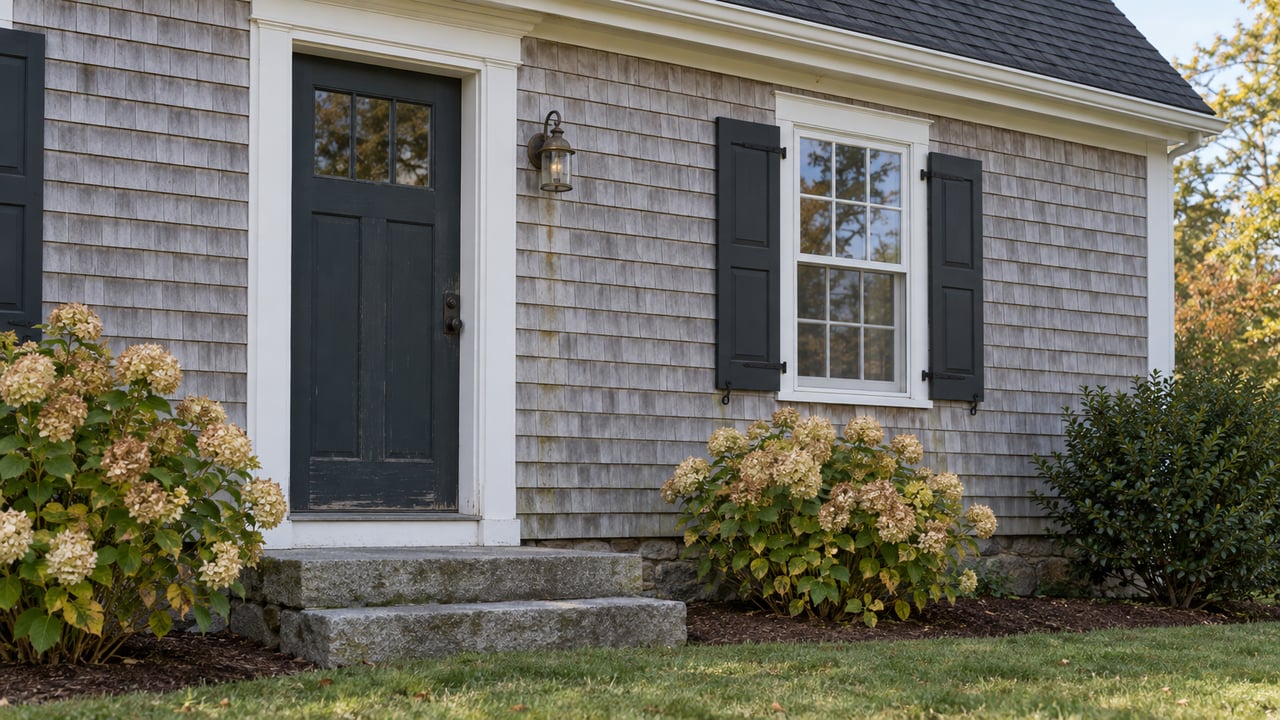
- Exterior touch-ups for curb appeal
- Minor repairs you have been postponing
- Deep cleaning and decluttering
- Roofing review if condition is a concern
- Simple kitchen or bath improvements if they noticeably affect presentation
- Entry updates that make the home feel polished and well maintained
NAR also reported that 46% of buyers are less willing to compromise on home condition. In a market where pricing is already sensitive, deferred maintenance can narrow your buyer pool or lead to tougher negotiation later.
Don’t overlook septic and Title 5 planning
In West Barnstable, septic planning can be a major part of your sale prep. The area’s rural housing pattern and larger lots make private wastewater systems common, so this is not something to leave until the last minute.
Massachusetts DEP advises a septic inspection when buying or selling a property with septic. Barnstable County’s MASSTC also notes that Title 5 now intersects with watershed permit and nitrogen-sensitive-area rules, and it points to AquiFund as a low- to no-interest loan program for wastewater projects and repairs.
For you as a seller, the practical takeaway is to treat septic as part of your early decision-making. If an inspection, repair, or compliance issue could affect closing, you want to know that before your home goes live.
Use a simple prep decision tree
When you are downsizing, it helps to avoid overcomplicating the process. A simple decision tree can keep you focused on what matters most.
Step 1: Fix what improves marketability now
Start with the items buyers will see immediately. Cleanliness, paint, curb appeal, lighting, and obvious repairs can help your home show better without forcing you into a long renovation timeline.
Step 2: Identify septic or Title 5 issues early
If your home has a septic system, get clear on inspection needs and any issues that may affect the transaction. This can help you avoid delays, pricing surprises, or contract stress later.
Step 3: Decide if larger updates are worth it
Only after the basics are covered should you consider a larger project. Ask whether the work will improve your sale enough to justify the cost, time, and disruption.
For many downsizing sellers, the answer is no. A clean, well-prepared home with smart pricing often beats an expensive last-minute remodel.
Time your sale around your next home
One of the biggest downsizing mistakes is treating the sale as one event and the purchase as another. In West Barnstable, your timing should be built around the exact type of home you want next, not a generic market average.
That is especially true because pricing sources vary and because higher-priced homes can take longer to sell than homes below the $1 million mark. If you need sale proceeds to buy your next property, build in a buffer for home search time, inspections, and closing.
A smoother downsizing move often comes down to sequencing. You want enough time to prepare your current home, enough clarity on your likely sale range, and a realistic plan for where you will go next.
What a strong downsizing sale really looks like
A successful downsizing sale is not just about selling for a good number. It is about making the transition manageable, reducing surprises, and setting yourself up well for the next chapter.
In West Barnstable, that usually means pricing from real local comparables, highlighting the features buyers are actually searching for, handling condition issues before they become negotiation problems, and planning your next move with room to breathe. It is a practical process, but it is also a personal one.
If you are thinking about downsizing in West Barnstable, the right guidance can help you sort through the timing, pricing, and preparation with more confidence. When you are ready to talk through your options, connect with Tori Harrison for a local, hands-on approach to your next move.
FAQs
What does downsizing in West Barnstable usually involve?
- Downsizing in West Barnstable often involves selling a single-family home on a larger lot, preparing for septic or Title 5 considerations, pricing carefully in a low-volume market, and planning the purchase of a smaller or more manageable next home.
How should a West Barnstable seller price a home for downsizing?
- A West Barnstable seller should use a property-specific comparative market analysis because local price estimates vary by source, and lot size, condition, updates, and price bracket can strongly affect buyer demand.
What home features matter most to West Barnstable buyers?
- Current buyer searches in West Barnstable often focus on single-family homes, 2- to 4-bedroom layouts, single-story living, large lots, basements, updated kitchens, central air, and waterfront or ocean-view settings.
Should a seller make updates before listing a West Barnstable home?
- Many sellers benefit from selective updates like paint, curb appeal improvements, cleaning, and minor repairs rather than a major remodel, especially since buyers are paying close attention to condition.
Why is septic planning important when selling in West Barnstable?
- Septic planning matters because private systems are common in this rural-style housing area, and Massachusetts advises septic inspection when buying or selling a property with septic, which can affect timing and closing.
How long might it take to sell a West Barnstable home?
- Timing depends on the property and price point, but county data show that homes under $999,999 have generally sold faster than homes priced at $1 million and above, so strategic pricing can affect your timeline.