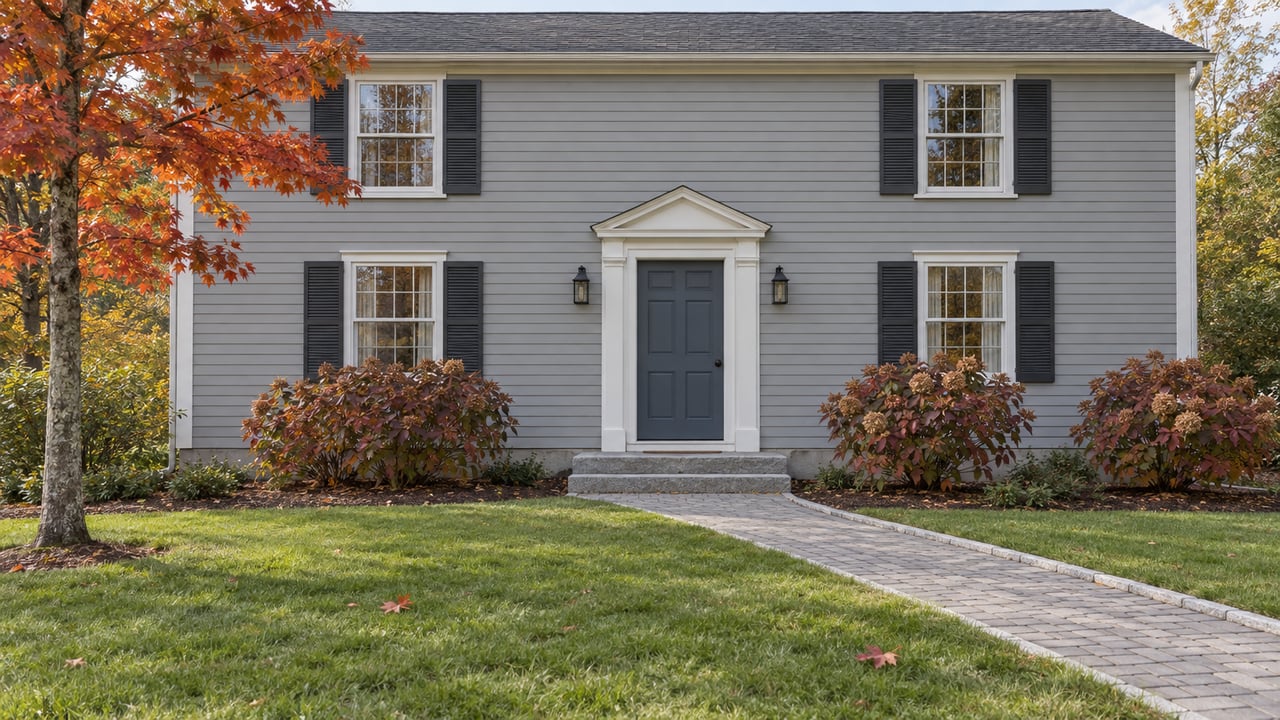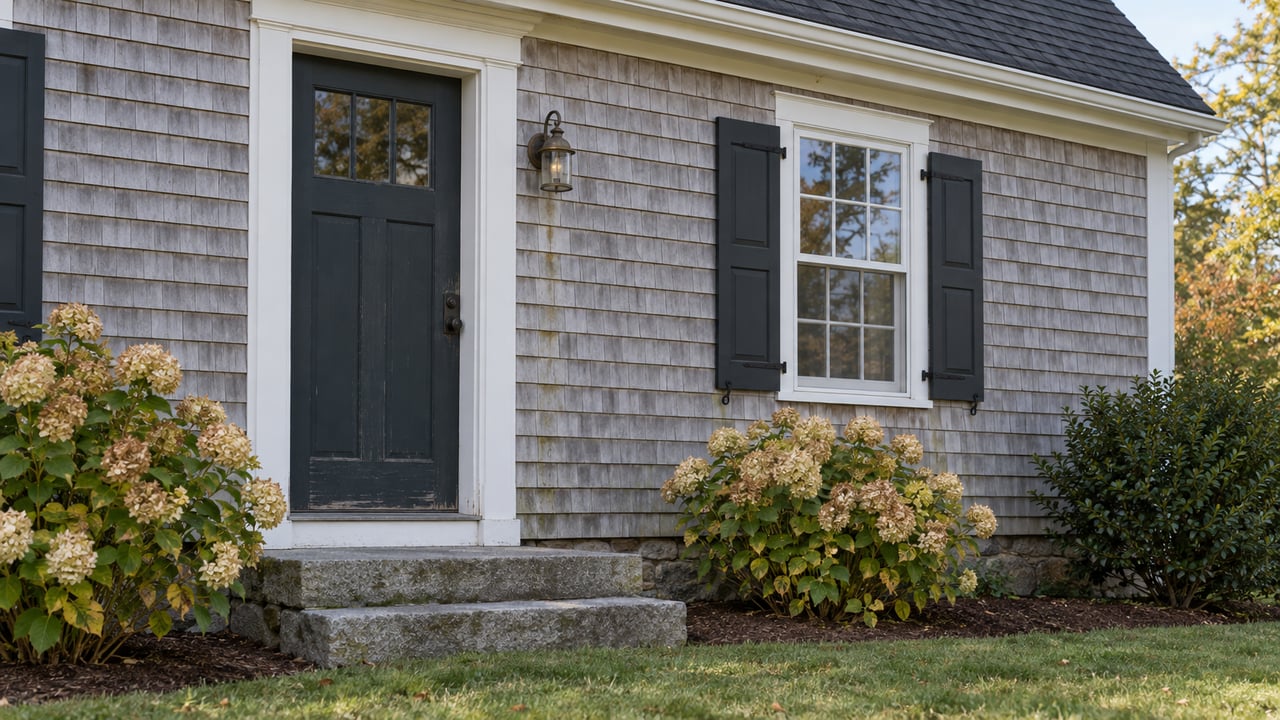
A homeowner on Parker Road decides to repaint before listing this fall. New color, fresh trim, something to catch a buyer's eye in the listing photos. The house isn't on Main Street. It isn't within sight of the postcard stretch of Route 6A that everyone pictures when they hear "historic West Barnstable." So there's no reason to think twice about the color, or to expect anyone from the town to have an opinion about it.
That assumption is wrong, and the town's own committee records prove it.
The Boundary Runs Along Route 6, Not 6A
The Old King's Highway Regional Historic District was established in 1973 and covers more ground than any historic district in the country, stretching from Sandwich to Orleans. Barnstable eNews reports that inside the Town of Barnstable, the local district is defined as everything north of the Mid-Cape Highway, meaning Route 6, not Route 6A. That distinction matters because Route 6A is the road people picture: the scenic Main Street corridor with sea captains' houses and the county courthouse. Route 6 is the highway most residents drive without a second thought. The district follows the second road, not the first.
That means the review authority extends well past Main Street frontage into the side streets and back roads that sit north of Route 6, even when they feel nothing like a historic byway. The committee's own 2025 and 2026 records show exactly that. An addition project on Parker Road, a sign change at a bank branch on Main Street, and a deck renovation on John Maki Road all came before the same committee in the same review cycle. None of those addresses look like a museum piece. All of them needed a hearing.
If you're weighing a renovation before a sale, or evaluating a property that's listed as a "contributing structure," the question isn't whether the house sits on 6A. It's whether the parcel sits north of Route 6 within Barnstable's boundary lines, something worth confirming directly with the Town of Barnstable's Old King's Highway Historic District Committee before assuming either way.
What Actually Triggers a Hearing
The committee's authority covers any exterior change to a building or structure, plus fences, signs, new construction, and demolition. In practice, that list covers most of what a seller would consider basic pre-listing prep.
The Barnstable Painting guide says painting the house white requires no committee approval, though the Massachusetts regulation on excluded and exempt features and activities still requires a certificate from the town committee. Choosing any other color does require review. Replacing rotted shingles or clapboards with the same material counts as ordinary maintenance and is exempt, but switching material, from wood to vinyl for example, is not, even if the new material looks similar from the street.
The state regulation governing exemptions adds a wrinkle that trips people up: whether a change is visible from a public way or not, some form of certificate from the town committee is still required. A change tucked behind the house that nobody driving by will ever see still needs paperwork, just a simpler Certificate of Exemption rather than a full hearing. "Nobody will see it" is not the same as "nobody needs to know about it."
What the Committee Actually Did This Year
The committee's own agendas and minutes from the past year read less like abstract rules and more like a running record of what homeowners in the district actually deal with, West Barnstable included.
In August 2025, Cape Cod Cooperative Bank at 1121 Main Street filed to replace its existing sign, a routine commercial update that still went through the hearing process. The same agenda carried an application from the Leahy family at 240 Parker Road, proposing an addition to the right side and rear of their home along with a screened porch. Neither is a landmark property. Both needed a Certificate of Appropriateness before a shovel went in the ground.
At that same January 2026 meeting, the committee took up an application to renovate the front and rear decks at 49 John Maki Road in West Barnstable, keeping the same dimensions and footprint as the existing structure. It was voted down, not because the design was objectionable, but because the applicant failed to appear for two consecutive meetings and the committee had no further information to act on. A same-footprint deck repair, the kind of project many owners would assume is a formality, still needs someone in the room to answer questions.
The same meeting also weighed a larger addition project elsewhere in the district, a 640 square foot addition with a 140 square foot porch and a 40 square foot entry deck. The discussion centered on rooflines and how much new structure the design added, with one member raising concerns about a half porch before the applicant's representative pointed out that the addition wouldn't be visible from the street and that existing vegetation helped screen it further. Visibility, not just square footage, shaped the committee's thinking, the same standard that governs any West Barnstable project brought before it.
Taken together, these cases show a pattern worth remembering: even minor, non-controversial exterior work goes through a real process with real discretion, and showing up matters as much as the design itself.
What Happens If You Skip It
The consequences of skipping the process aren't hypothetical. A Massachusetts appellate case, Anderson v. Old King's Highway Regional Historic District Commission, involved a Sandwich homeowner, governed by the same regional Act that covers West Barnstable, who installed vinyl siding on the rear of a historic house without first getting approval. The local committee denied the after-the-fact application, describing the house as very historic and very visible, and the denial was upheld on appeal. The siding went on the back of the house, not the street-facing side, and the outcome was the same. Visibility to a committee's judgment doesn't only mean visibility from the road.
Closer to home, the consequences of unauthorized exterior work can follow a property into a sale. According to the town's own application materials, failing to comply with an approved plan can lead the building department to issue a stop work order or withhold an occupancy permit. For a seller, that turns a cosmetic choice made without a hearing into a disclosure question at exactly the wrong moment, when a buyer's attorney or lender starts asking why a permit file doesn't match what's standing on the lot.
Timing It Before You List
The process itself has a rhythm that doesn't bend for a closing date. According to the Town of Barnstable's Certificate of Appropriateness form, once the committee issues a decision, there's a 10 day appeal period plus a 4 day waiting period before approved paperwork is available for pickup and building permit sign-off, roughly two weeks from decision to green light under normal circumstances. The Town of Barnstable's meeting materials say certificates are valid for one year from issue, or through the life of any building permit tied to the work, whichever runs longer, with a one-year extension available if requested in writing before expiration.
For anyone planning to repaint, re-side, replace a deck, or add square footage before putting a West Barnstable home on the market this fall, that timeline needs to sit inside the renovation schedule, not after it. A contractor can usually start next week. A committee that meets monthly and files decisions with the town clerk cannot.
A Few Questions Worth Settling Early
Does the district only cover what's visible from the road? No. Even changes that aren't visible from a public way still require a certificate, just a simpler exemption rather than a full hearing.
Can I repaint my house white without going through the committee? You don't need committee approval for painting a building white, but a certificate from the town committee is still required.
If my house isn't on Main Street, does the rule still apply to me? It depends on whether the property sits north of Route 6 within Barnstable, not on whether it fronts Route 6A. The committee's own recent case files include homes on Parker Road and John Maki Road, well off the scenic corridor, that went through the same review as Main Street properties.
Whether you're planning a fall renovation or evaluating a West Barnstable property that's new to you, it's worth confirming where a specific parcel falls before assumptions turn into a stalled project or a disclosure headache at closing. Tori Harrison Properties can help you check that boundary line before you pick up a paintbrush.
This article is general information, not legal, tax or financial advice. Consult a qualified professional about your situation.