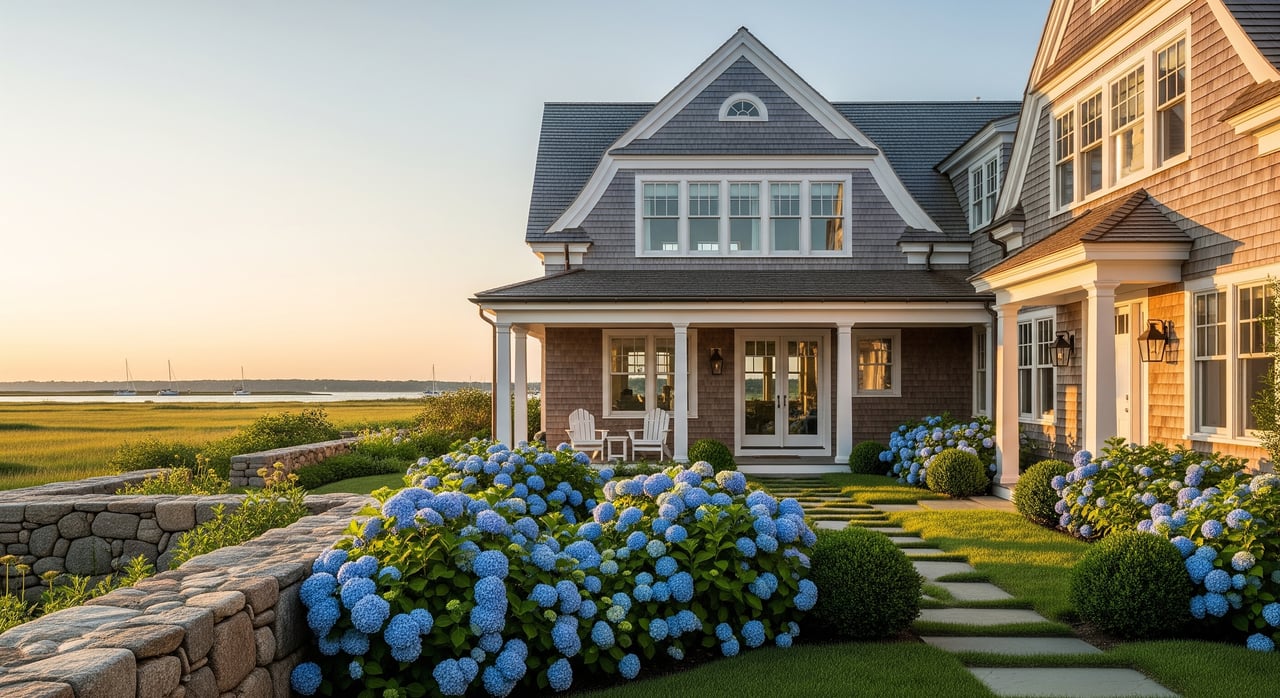
Is there a right month to put your Sandwich home on the market? On Cape Cod, timing can shape how many buyers see your property, how quickly you move, and the offers you attract. If you plan ahead, you can list when demand is highest and your home shows its best. This guide breaks down Sandwich seasonality, key local factors, and a simple 60 to 90 day plan so you can choose your date with confidence. Let’s dive in.
Sandwich seasonality at a glance
Spring and early summer bring the strongest buyer activity in Sandwich. Searches and showings typically pick up in late winter and peak in spring as buyers try to secure homes before summer.
Summer remains active here because buyers want to experience the Cape Cod lifestyle. Outdoor spaces, proximity to beaches, and neighborhood amenities are easier to evaluate in good weather.
Fall often offers a smaller second wave, especially in September and October. Buyers who missed spring return, and some families aim to move before winter.
Winter is usually the quietest. You may see fewer showings and longer days on market, though motivated buyers still shop and inventory can be tight.
Best months to list in Sandwich
- Spring listing window: Mid-March through early May is a prime time to go live. You benefit from rising buyer traffic and fresh spring curb appeal.
- Early summer: Late April through June still captures strong demand, especially for seasonal or second-home buyers who plan summer visits.
- Fall: September and October can work well if you want less competition than peak summer and aim to move before winter.
- Winter: November through February typically brings fewer showings and longer timelines. It can still work if you value motivated buyers more than maximum exposure.
Match timing to your goals
- Downsizing or coordinating a new home: Align your listing date with the purchase of your next place and your move timeline. Consider contingency options to keep transitions smooth.
- Moving up locally: Spring can help you capture strong value on your sale while you shop for the next home. Plan financing and timing to avoid a gap between closings.
- Financial planning: End-of-year or calendar-year goals, rate locks, or tax considerations may affect your ideal list date. Coordinate with your financial advisor.
Your 60 to 90 day prep timeline
Use this plan to work backward from your target list date. Adjust for your home’s condition and your schedule.
90 days out
- Choose your listing agent and set strategy, pricing, and timeline. Ask for a comparative market analysis.
- Order essential inspections early. Consider a general home checkup and evaluate septic if applicable to avoid surprises.
- Start major repairs or contractor work that may need permits or lead time.
- Declutter and plan staging. Arrange storage if needed.
60 days out
- Finish cost-effective cosmetic updates like paint, lighting, or simple kitchen and bath refreshes.
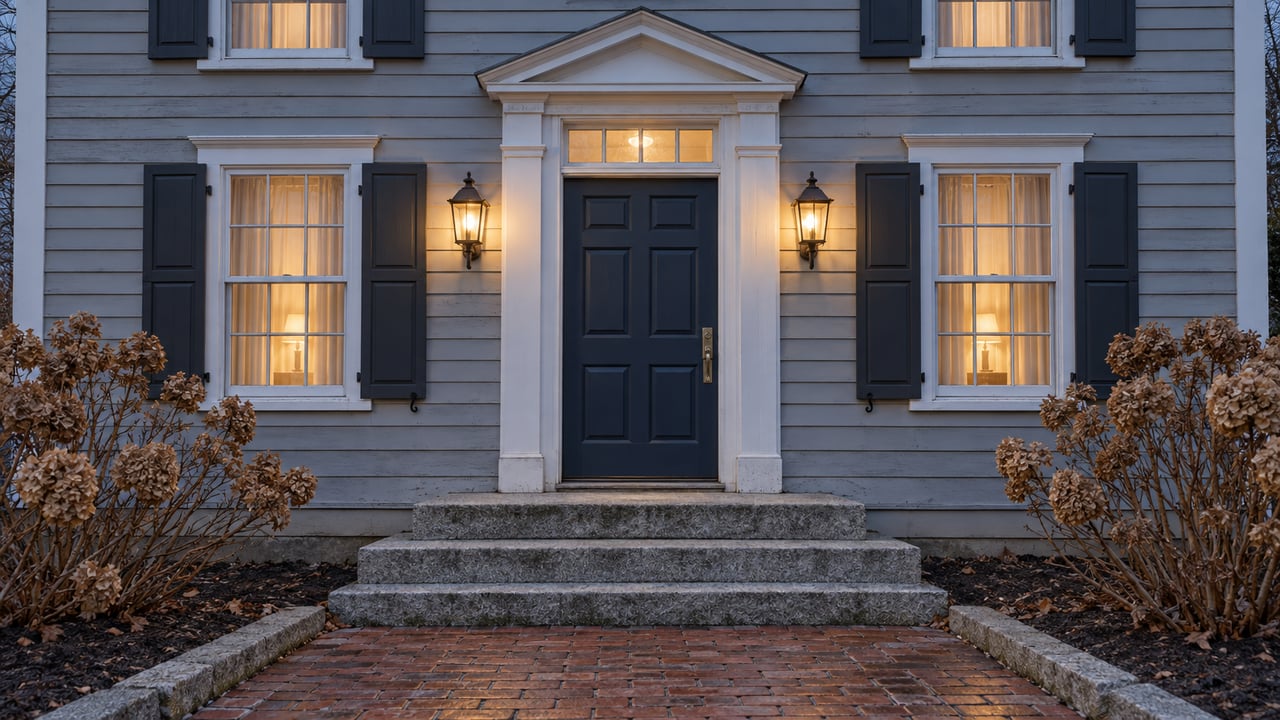
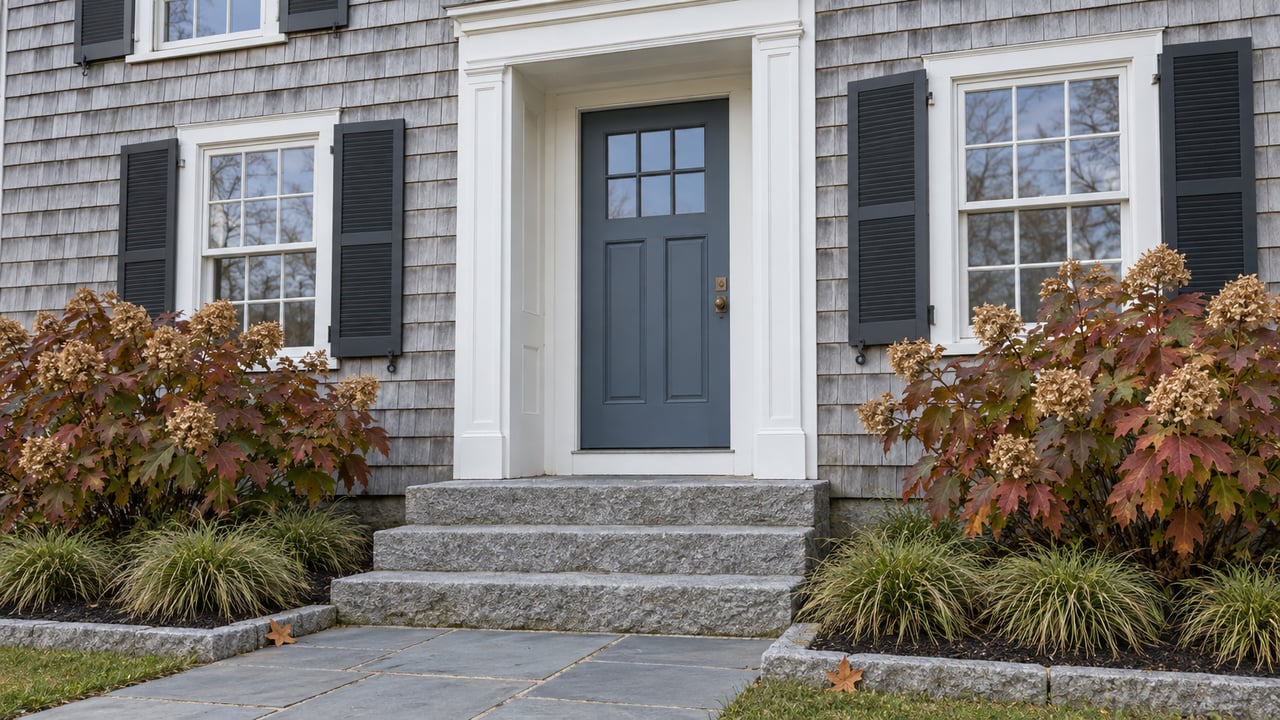
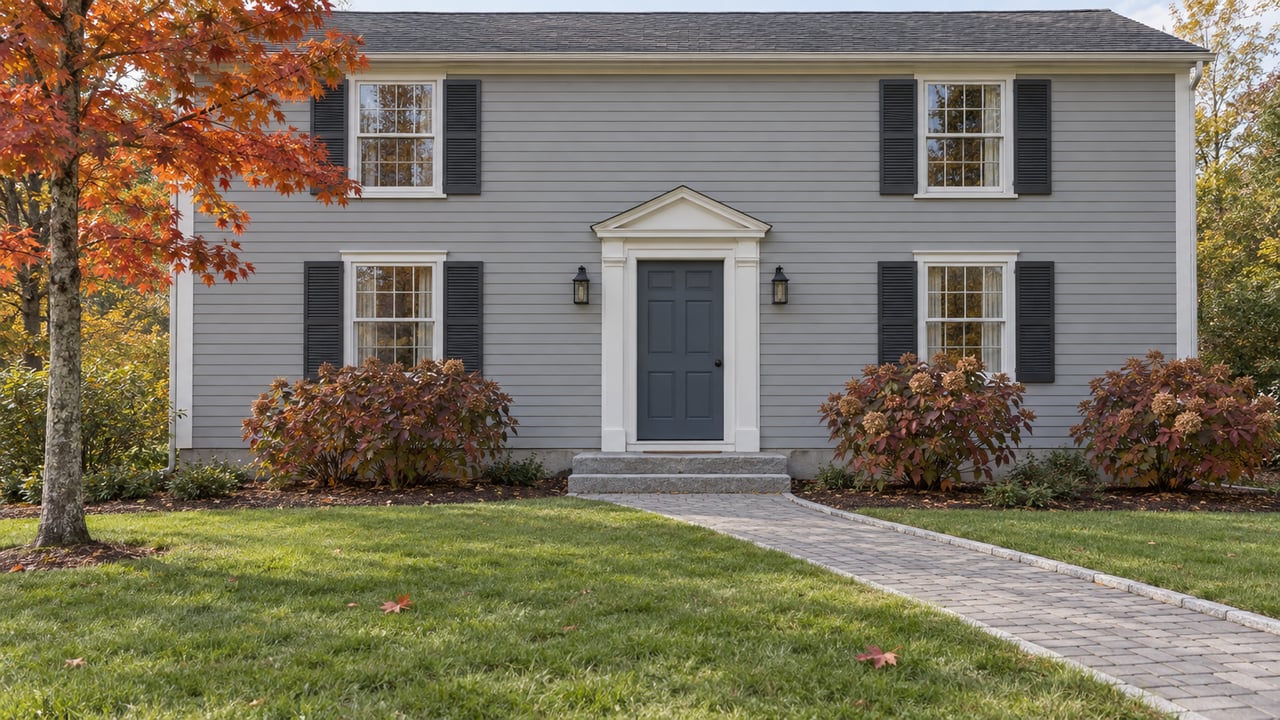
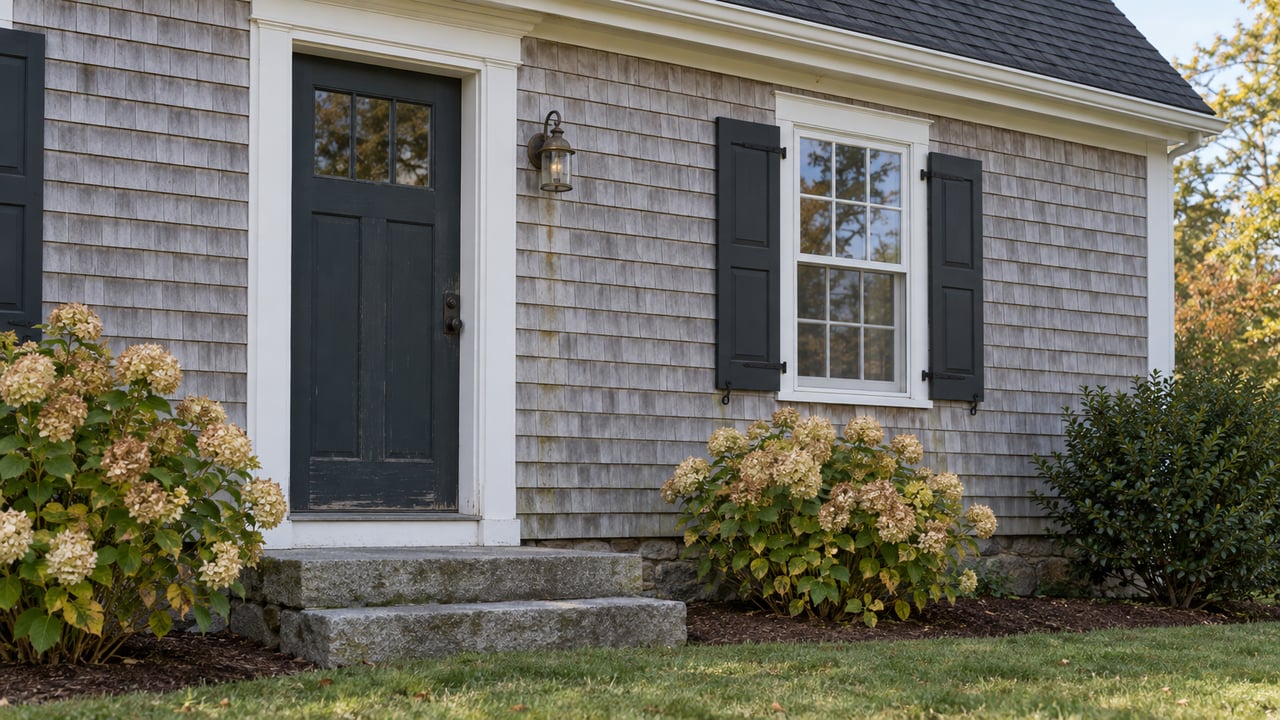
- Boost curb appeal: prune, mulch, power wash, and define outdoor areas that shine in summer.
- Gather documents: title papers, recent utility bills, septic records, warranties, HOA details if any, flood insurance info, and permits.
- Finalize disclosures with your agent and local attorney based on known material facts.
30 days out
- Deep clean and stage. Professional staging is smart for higher-end listings.
- Schedule professional photography. Plan for great exterior and twilight shots; consider drone for water or view lines where permitted.
- Complete a final pricing review with your agent based on current pending and closed sales.
- Set open house dates for the first week of the listing.
Launch week
- Go live on the MLS with professional photos, floor plans, and a virtual tour.
- Host a broker preview and first open houses to concentrate early traffic.
- Be ready to respond quickly to inquiries and offers with your documents organized.
After offer and through closing
- Expect about 30 to 60 days from accepted offer to close depending on financing and contingencies.
- Use your pre-list decisions on repairs and inspections to navigate any requests efficiently.
Local factors that affect timing
Title 5 and septic systems
In Massachusetts, Title 5 septic inspections and compliance are central when a property uses a private septic system. Many sellers review or complete a Title 5 inspection before listing to anticipate costs and avoid delays. Confirm current MassDEP requirements with your agent and a local attorney.
Flood zones and insurance
Parts of Sandwich fall within FEMA flood zones. Buyers often ask for elevation certificates, quotes for flood insurance, and details on mitigation work. Gather these documents early so you can answer questions and build buyer confidence.
Historic and conservation considerations
Sandwich includes older homes and areas with historic or conservation rules. If your home sits in a historic district or near wetlands, review permits and any restrictions that could affect improvements or buyer plans. Align your marketing with what is accurately permitted.
Disclosures and lead paint
Massachusetts does not use a single statewide seller disclosure form, but you must disclose known material defects. Homes built before 1978 require federal lead-paint disclosure. Your agent can guide the local forms and expectations used in practice.
Present your Cape Cod lifestyle
- Highlight outdoor assets. Showcase decks, patios, shade trees, gardens, and any water or beach access. This resonates in spring and summer when buyers can experience the setting.
- Be proactive about coastal questions. Share recent flood insurance details, elevation certificates if available, and any resiliency updates.
- Document upgrades. Older Sandwich homes sell better when buyers see updated systems and maintenance history.
- Elevate presentation. Professional photos, floor plans, and video can set your listing apart. With Sotheby’s distribution, your home can reach local, national, and international buyers while you keep hands-on support.
Quick checklist: ready to list this spring?
- You have a target list week between mid-March and early May.
- Title 5 and key inspections are complete or scheduled.
- Priority repairs and safety items are done.
- Fresh paint and lighting updates improve first impressions.
- Landscaping and outdoor living zones are defined and tidy.
- Professional media is booked and scheduled for good weather.
- Flood documents and permits are organized.
- Pricing aligns with current Sandwich comps and absorption.
- Open houses and marketing plan are set for week one.
When you time your listing to meet the season and your goals, you put yourself in a stronger position. A clear plan, well-prepared home, and confident presentation can help you capture peak demand in Sandwich and across Cape Cod. For a data-driven timeline, local guidance on Title 5 and flood zones, and elevated marketing, connect with Tori Harrison.
FAQs
What is the best month to list a home in Sandwich, MA?
- Aim to be active during peak spring traffic, commonly April through June, and start prep 4 to 8 weeks earlier so you launch strong.
Should I wait until summer to show my yard in Sandwich?
- Spring balances rising buyer demand with improving curb appeal, while summer highlights outdoor living but can bring more competing listings.
Do I need a Title 5 septic inspection before selling in Sandwich?
- Title 5 is central for septic-served homes, and many sellers review or complete an inspection before listing; confirm current MassDEP rules with your agent.
How long will my Sandwich home take to sell?
- Days on market vary by season and price point, with faster sales more common in spring and slower pace in winter; your agent’s CMA and current MLS data refine the estimate.
Which pre-list repairs give the best return in Sandwich?
- Prioritize safety and system issues like roof or HVAC, then focus on cost-effective updates such as paint, lighting, minor bath or kitchen refreshes, and landscaping.