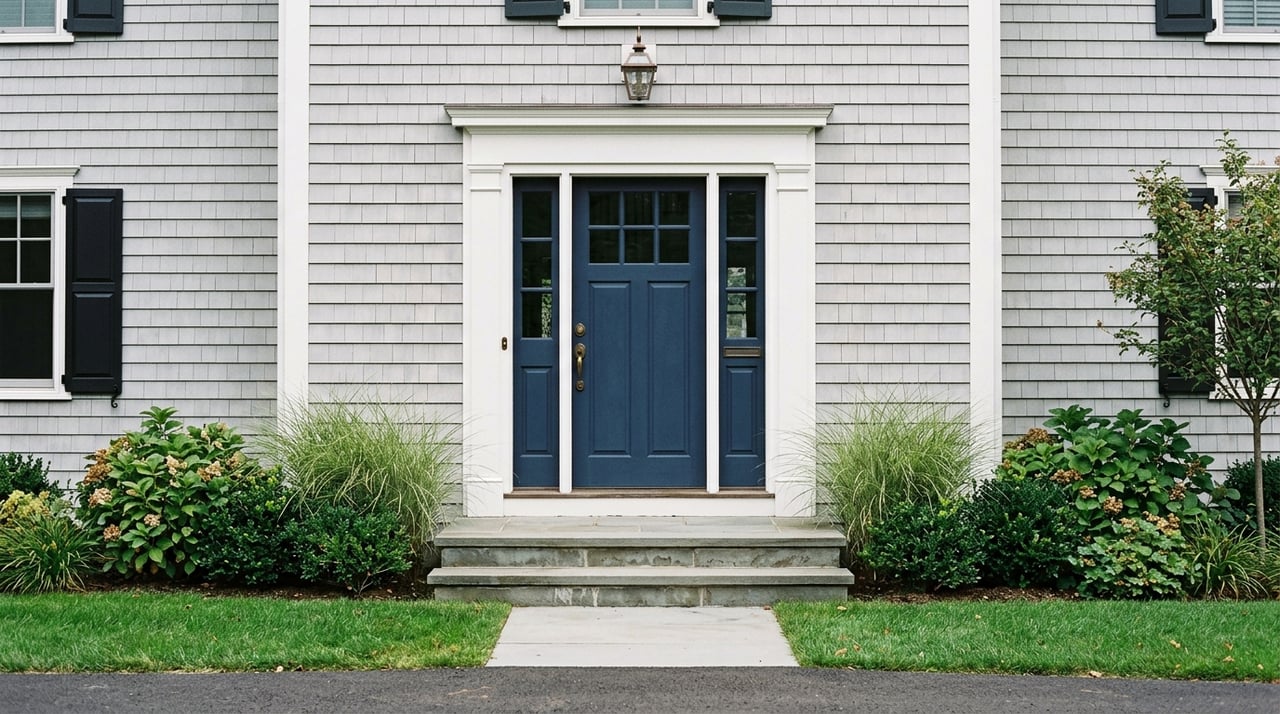
Pricing your home in Sandwich is not about picking a hopeful number and waiting for the right buyer. In a market where buyers are watching value closely, your list price can shape how quickly your home gets attention, how seriously buyers respond, and how much negotiating power you keep. If you want to attract serious buyers instead of bargain hunters, the key is to price with local data, property condition, and timing in mind. Let’s dive in.
Why pricing matters in Sandwich
Sandwich has a unique place in the Cape Cod market. According to the Cape Cod Commission’s Sandwich housing profile, the town has a high rate of owner-occupied housing, a mostly single-family housing stock, and a 2024 median home sales price of $732,000.
At the same time, recent local data show that buyers are still negotiating. The 2025 annual market report and January 2026 local MLS update show Sandwich with fewer sales, fewer new listings, and single-family sellers receiving 94.5% of original list price in January 2026. That means pricing high just to “leave room” can work against you.
Start with a local pricing strategy
A strong price starts with the right comparison set. The National Association of Realtors consumer pricing guide explains that a comparative market analysis, or CMA, should look at recently sold, under-contract, and active homes in the same area, while also adjusting for size, condition, amenities, upgrades, and repairs.
That matters in Sandwich because one part of town does not always behave exactly like another. A home near downtown Sandwich and civic or commercial amenities may appeal to a different buyer pool than a more private property, and older homes with historic character may be judged differently than newer or more updated homes. Your pricing strategy should reflect how buyers are likely to compare your specific property, not just the townwide median.
Why online estimates are not enough
Online estimates can be a useful starting point, but they are not the same as a tailored local analysis. Zillow notes that its Zestimate is a computer-generated estimate, not an appraisal, and it recommends supplementing it with a walkthrough, appraisal, or CMA.
If you price your Sandwich home based only on an algorithm, you may miss important local factors. Recent nearby sales, lot characteristics, updates, deferred maintenance, and even your home’s position within a neighborhood can all influence buyer response.
Use the right comps for your home
The best comps are usually the homes a buyer would realistically compare to yours. According to NAR’s pricing guidance, that means recent sales and competing listings with similar property type, size, condition, and features.
For many Sandwich sellers, this means looking beyond square footage alone. Since much of the local housing stock was built between 1950 and 1999, condition can create a meaningful gap between two homes that look similar on paper. An updated kitchen, newer baths, refreshed flooring, or well-maintained exterior may support a stronger price than an otherwise similar home that needs work.
Condition affects buyer perception
Condition has a direct impact on pricing because buyers often calculate repairs into their offers. NAR advises pricing around condition, amenities, and needed repairs, while Zillow’s seller guidance points to common improvements like interior painting, kitchen and bathroom updates, landscaping, and flooring.
That guidance is especially relevant in Sandwich. The Cape Cod Commission reports that a household needed about $233,000 in annual income to afford the town’s median-priced home in 2024, compared with a median household income of $122,486. That gap helps explain why buyers may be selective and less willing to stretch for a home that feels overpriced for its condition.
Avoid overpricing from the start
Overpricing is one of the fastest ways to lose momentum. When a home sits, buyers may assume something is wrong, become more aggressive in negotiations, or wait for a price reduction.
Zillow’s selling advice says an overpriced listing can take longer to sell and may ultimately sell for less than if it had been priced correctly from the start. A recent Redfin pricing-cut study referenced in the research also found that overpricing by 10% or more can add more than a month to market time.
In Sandwich, that risk is not theoretical. The January 2026 local MLS report shows 84 cumulative days on market for single-family homes and 94.5% of original list price received. In simple terms, buyers are paying attention to pricing, and homes that miss the mark may lose leverage.
What serious buyers want to see
Serious buyers are usually looking for one clear message: this home is priced in line with its value. They want to see a home that makes sense compared with recent sales, current competition, and the home’s overall presentation.
When your price is realistic, you are more likely to:
- attract more qualified showings
- create stronger early interest
- reduce the chance of stale-market perception
- keep negotiations more focused and productive
- avoid repeated price cuts that weaken your position
Time your price with the season
Pricing does not happen in a vacuum. Timing matters too. While Sandwich is considered the least seasonal town on Cape Cod, the Cape Cod Commission still notes that employment peaks in July at about 23% above February, which helps explain why spring and early summer can be active listing windows.
Broader housing data supports that pattern. Zillow reports that in most places, the best time to sell is from mid-March through late July, and homes listed during that stretch sold for more than the yearly average. The same research referenced in your report also notes that spring tends to have the lowest share of price cuts.
Match your price to current conditions
Even in a stronger seasonal window, the market still has to support your number. If inventory rises or days on market stretch, buyers may have more choices and more negotiating confidence.
That is why pricing should always reflect current conditions, not just last year’s peak headlines. The Sandwich 2025 annual report showed the townwide median sales price at $707,500, down 3.3% from 2024, along with fewer closed sales and fewer new listings. That is a reminder to follow the market that exists now.
A simple pricing framework for Sandwich sellers
If you are preparing to list, this simple framework can help you think more strategically about price.
1. Look at recent local sales
Focus on similar homes in Sandwich that sold recently. Prioritize the same property type, similar size, similar lot appeal, and similar condition.
2. Review current competition
Active and pending listings matter because buyers will compare your home against what else is available right now. If a competing home is more updated or better positioned at a similar price, your home may need a pricing adjustment.
3. Be honest about condition
Small defects can affect buyer perception more than many sellers expect. If your home needs cosmetic work or deferred maintenance stands out, it may be smarter to price accordingly than to assume buyers will overlook it.
4. Consider location within Sandwich
A home’s setting can influence demand. Proximity to downtown amenities, historic character, privacy, lot size, or coastal appeal may all shape how buyers value the property.
5. Choose a launch price, not a test price
A launch price should be based on what the market is likely to support today. A test price based on hope can cost you time, leverage, and buyer confidence.
Why expert pricing can protect your bottom line
A good pricing strategy is not about chasing the highest possible number on day one. It is about finding the price that gives your home the best chance to generate serious interest and strong offers in the real market.
That is where local experience matters. A carefully prepared CMA, paired with a clear read on Sandwich buyer behavior, can help you position your home more effectively than an automated estimate alone. It can also help you decide whether to price more competitively for speed or leave slightly more room based on your timeline and goals, which aligns with NAR’s consumer guidance on pricing strategy.
If you are thinking about selling in Sandwich, the best next step is to look at your home through the eyes of today’s buyers, then price it with discipline from the start. For a local strategy built around current comps, professional presentation, and hands-on guidance, connect with Tori Harrison.
FAQs
How should I price my Sandwich home in today’s market?
- Start with recent Sandwich comps, current competing listings, your home’s condition, and local buyer demand rather than relying only on an online estimate.
Are online home value estimates accurate for Sandwich sellers?
- Online estimates can be a starting point, but Zillow says they are computer-generated estimates and should be supplemented with a walkthrough, appraisal, or comparative market analysis.
What happens if I overprice my home in Sandwich?
- Overpricing can lead to longer time on market, weaker buyer interest, more price reductions, and a greater chance of selling below your original expectations.
Does home condition affect pricing in Sandwich, MA?
- Yes. Updates, maintenance, repairs, and overall presentation can affect how buyers compare your home to similar Sandwich listings and sales.
When is the best time to list a home in Sandwich?
- Spring through early summer is often a strong listing window, but your pricing still needs to match current market conditions and buyer expectations.